

Description
Kala Namak Rice – GI-Tagged Heritage Rice
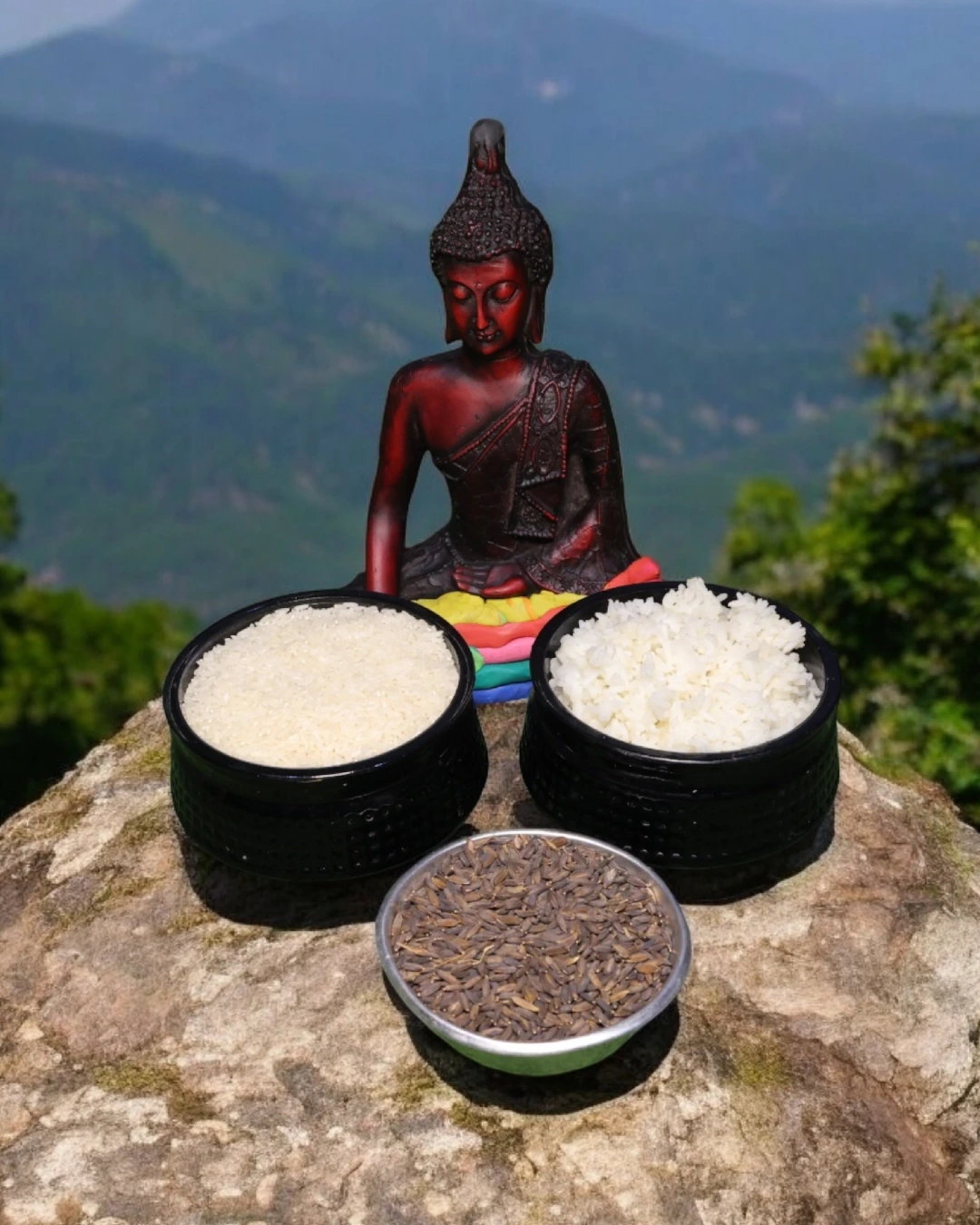
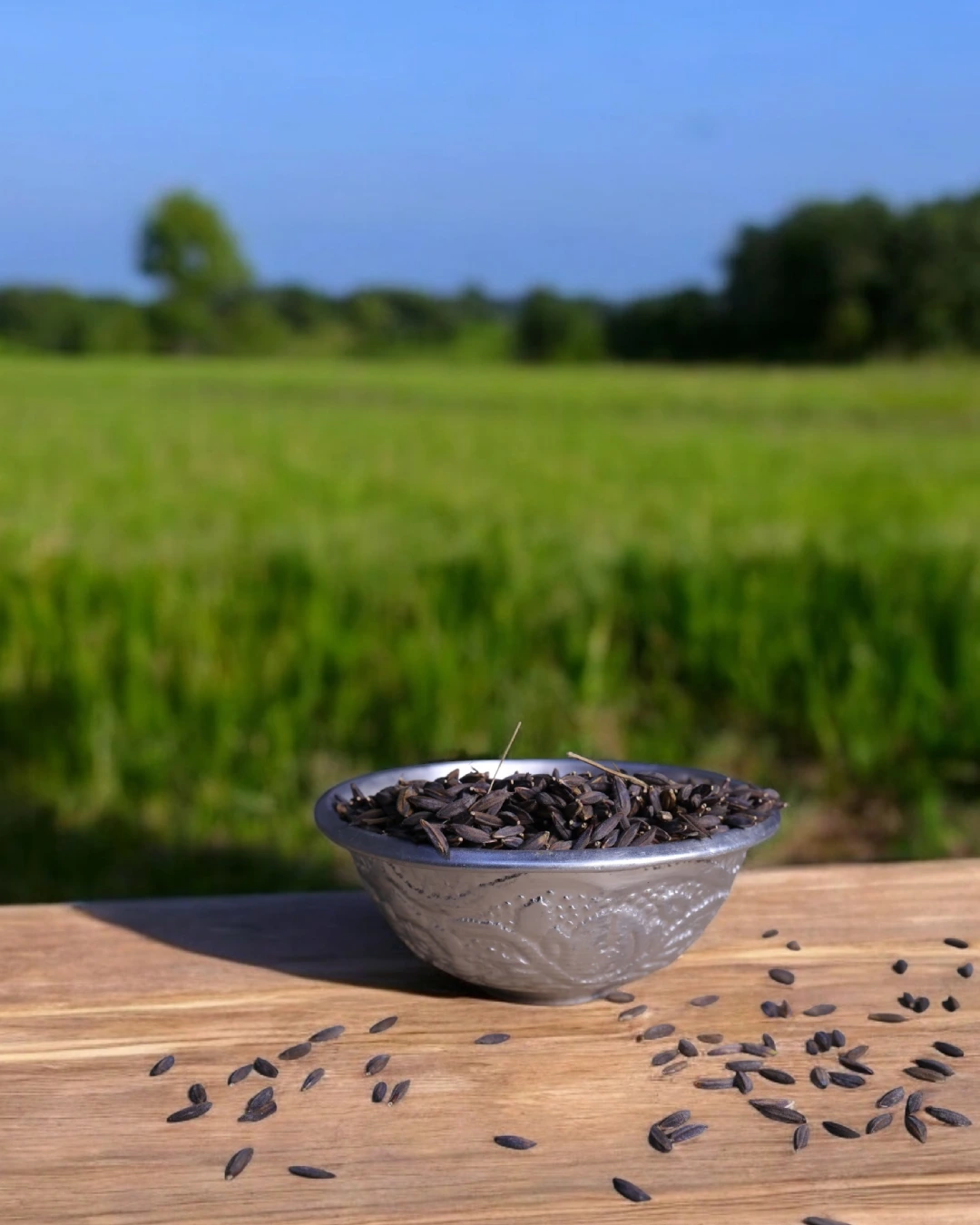
Kala Namak Rice is a rare and aromatic indigenous rice variety primarily cultivated in eastern Uttar Pradesh, especially in Siddharthnagar, Maharajganj, and adjoining areas of Nepal’s Terai region. Celebrated for its distinctive fragrance, soft texture, and cultural legacy, Kala Namak is often referred to as “Buddha Rice” due to its historical association with Gautama Buddha, who is believed to have praised and shared this rice with people after attaining enlightenment.
Why Kala Namak Rice Received the GI Tag
- Historical Significance – Kala Namak rice has been cultivated for centuries in eastern Uttar Pradesh. Its unique traits are deeply connected to the region’s soil, climate, and traditional farming methods. The association with Gautama Buddha further enhances its cultural and historical importance.
- Unique Characteristics – The rice is known for its natural aroma, short to medium grain size, and soft, fluffy texture after cooking. These qualities arise from the region’s specific agro-climatic conditions and indigenous cultivation practices.
- Preservation of Traditional Knowledge – The GI tag helps safeguard traditional farming wisdom that has been passed down through generations of local farmers.
Benefits of Kala Namak Rice
Health Benefits
- Rich in Iron – Contains higher iron content than many common rice varieties, beneficial for individuals with iron deficiency.
- Low Glycemic Index – Suitable for people managing diabetes or aiming to maintain stable blood sugar levels.
- Antioxidant Properties – Studies suggest higher antioxidant levels, which may help reduce oxidative stress.
Culinary Value
- Aromatic Flavor – Its naturally fragrant aroma and rich taste make it a preferred delicacy among aromatic rice lovers.
Cultural and Economic Importance
- Heritage Crop – Kala Namak rice is an integral part of the region’s cultural identity. Promoting its cultivation supports local farmers and rural livelihoods.
- Sustainable Farming – The GI tag encourages traditional, eco-friendly agricultural practices that protect the environment while preserving quality.
The Geographical Indication (GI) tag ensures that only rice grown in the designated regions using traditional methods can be sold as Kala Namak Rice, protecting its authenticity and providing economic security to the farming communities that sustain this historic grain.


Reviews
There are no reviews yet.