

Description
Kashmiri Khatamband – An Overview
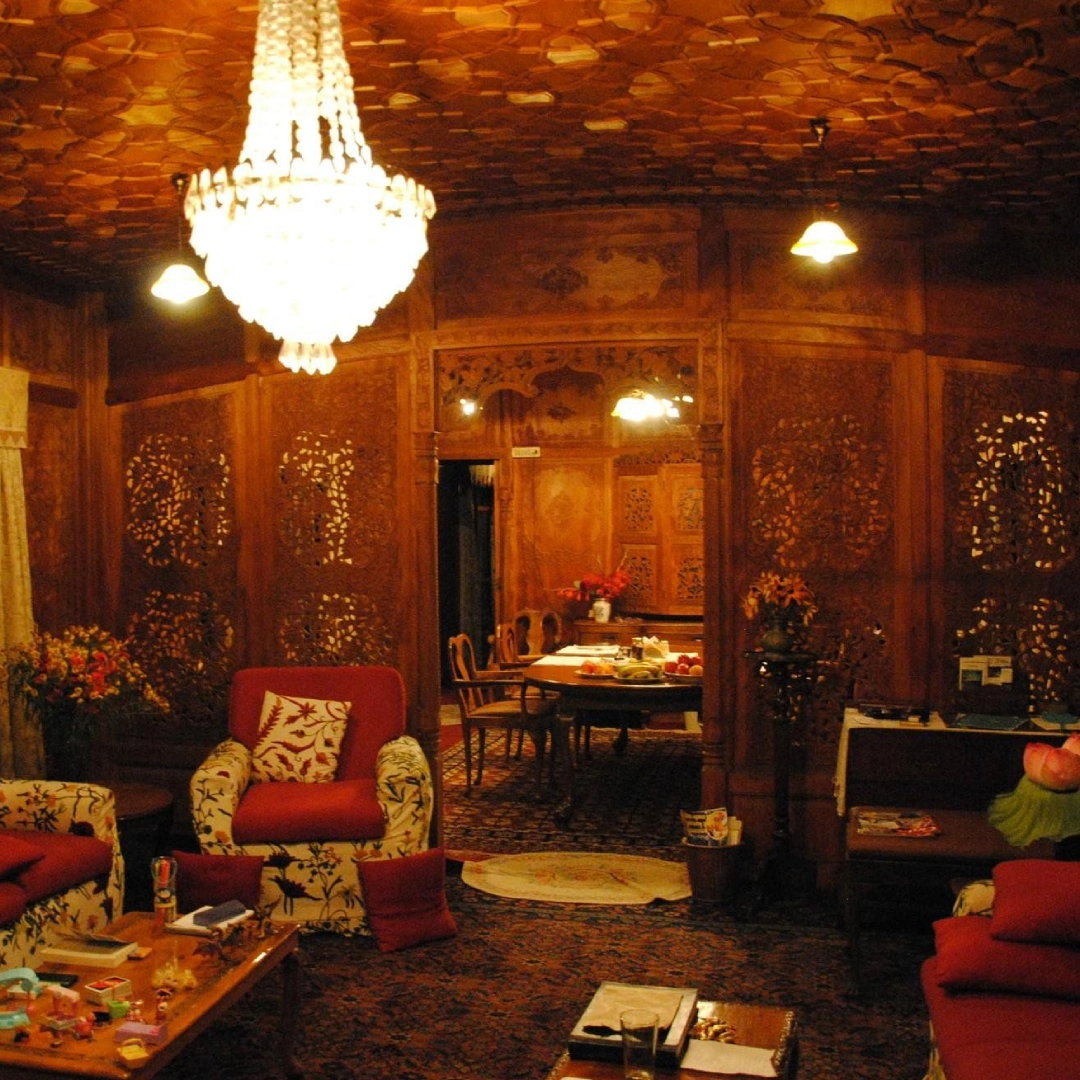
Kashmiri Khatamband is a distinctive traditional woodcraft from Kashmir, renowned for its elaborate wooden ceiling designs made from precisely cut pieces of wood. These pieces are assembled into complex geometric patterns without the use of nails or adhesives, relying solely on expert joinery. This ancient architectural art has earned a Geographical Indication (GI) tag, recognizing its unique craftsmanship, cultural value, and strong association with the Kashmir region.
Origin of Kashmiri Khatamband
The origins of Khatamband are believed to date back to 14th-century Kashmir. The craft was introduced by skilled Persian and Central Asian artisans who arrived with Muslim rulers. Over time, local Kashmiri craftsmen refined and adapted the technique, making it a defining feature of Kashmiri architecture. Traditionally, Khatamband ceilings adorned royal palaces, Sufi shrines, mosques, and the homes of the elite, reflecting both artistic excellence and spiritual symbolism.
GI Tagging of Kashmiri Khatamband
Khatamband received the GI tag to protect its authenticity and preserve its deep-rooted connection to Kashmir’s cultural heritage. The GI status ensures that only genuine Khatamband work produced by skilled Kashmiri artisans is recognized, preventing imitation and safeguarding traditional knowledge from mass-produced alternatives.
Historic Significance
Historically, Khatamband symbolized prestige, luxury, and architectural refinement. Beyond its decorative appeal, it also served a functional purpose by providing insulation—an important feature in Kashmir’s cold climate. The intricate ceilings represent a harmonious blend of art, engineering, and environmental adaptation.
Process of Making Kashmiri Khatamband
- Selection of Wood – Durable and high-quality woods such as walnut, deodar, or fir are chosen.
- Cutting and Shaping – The wood is cut into small components and shaped into precise geometric forms.
- Assembly without Nails – The pieces are fitted together using grooves and slots, forming complex patterns without nails or glue.
- Installation – The finished panels are installed on ceilings, enhancing aesthetics while providing insulation.
Types of Kashmiri Khatamband
- Gul-e-Nargis
- Gul-e-Bulbul
- Shah Pasand
- Chaar Gul
- Asman Gul
Each style varies in complexity and reflects different levels of craftsmanship and design sophistication.
Reasons for Decline
Despite its cultural importance, Kashmiri Khatamband faces the risk of decline due to several challenges:
- Declining Interest – Younger generations are reluctant to pursue the craft because it requires long apprenticeships with limited financial returns.
- High Cost of Materials and Labor – Quality wood and skilled labor make Khatamband expensive compared to modern construction methods.
- Lack of Awareness – Reduced appreciation in contemporary architecture has led to fewer commissions.
- Imitations – Cheaper, machine-made alternatives have diluted the market, affecting demand for authentic handcrafted work.
Kashmiri Khatamband remains a remarkable symbol of Kashmir’s architectural heritage, and its survival depends on renewed awareness, skilled patronage, and sustained support for traditional artisans.

Reviews
There are no reviews yet.