

Description
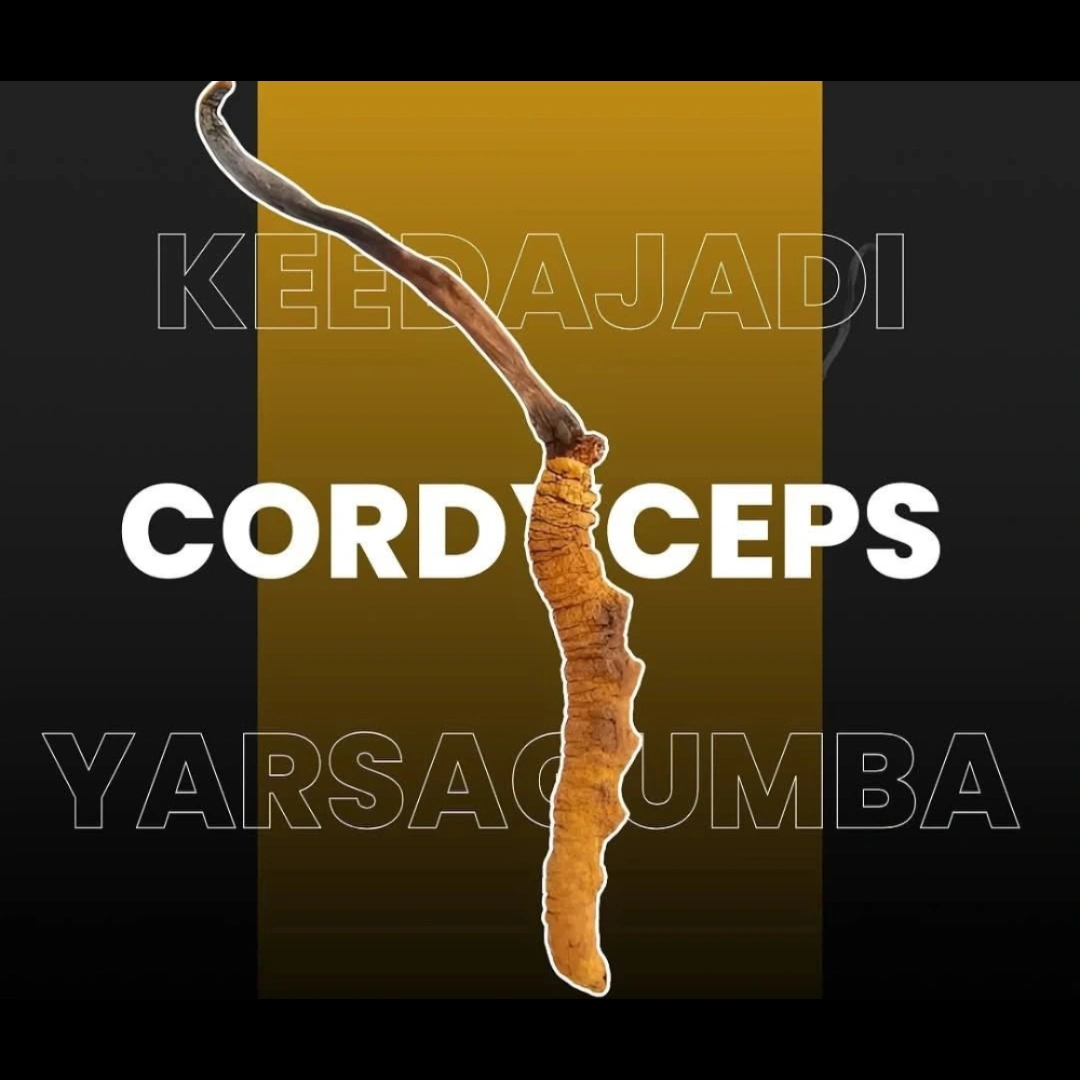
Keedajadi / Cordyceps sinensis / Yarsagumba / Yarsagumbu – An Overview
Keedajadi, also known as Yarsagumba or Yarsagumbu, is a rare and highly valued natural substance found in the high-altitude Himalayan regions. It is a unique combination of a parasitic fungus and a caterpillar, traditionally harvested from alpine meadows. Owing to its scarcity, traditional importance, and perceived wellness value, Yarsagumba is often referred to as “Himalayan Gold.”
Names & Regional Usage
- Keedajadi – Commonly used in Himalayan regions of India
- Yarsagumba / Yarsagumbu – Widely used in Nepal and Tibet
- Cordyceps sinensis – Scientific name
Origin & Habitat
Yarsagumba grows naturally at altitudes above 3,500 meters in the Himalayan belt, including parts of Himalayas across Nepal, Tibet, Bhutan, and northern India (Ladakh and Uttarakhand).
It forms when fungal spores infect underground caterpillars during winter. By summer, the fungus emerges from the caterpillar’s head, appearing above the soil—this is when it is harvested.
Traditional & Cultural Significance
For centuries, Yarsagumba has held an important place in traditional Himalayan and Asian wellness systems. It has been historically used by mountain communities and referenced in traditional Chinese and Tibetan practices. Harvesting season is short and labor-intensive, making it both culturally significant and economically vital for local communities.
Key Characteristics
- Extremely Rare – Naturally occurring and found only in specific ecological conditions
- High Economic Value – One of the most expensive natural biological products in the world
- Natural & Wild-Harvested – Not traditionally cultivated; collected by hand
- Distinct Appearance – A dried caterpillar body with a thin, grass-like fungal stalk
Perceived Traditional Benefits*
Traditionally, Yarsagumba has been associated with:
- Supporting vitality and stamina
- Adaptation to high-altitude environments
- General wellness and endurance
- Traditional restorative use
*These are traditional beliefs; modern scientific research is ongoing, and it should not be considered a medical treatment.
Sustainability & Challenges
- Overharvesting and climate change have significantly reduced availability
- High demand has led to strict collection regulations in many regions
- Conservation efforts are increasingly important to protect fragile alpine ecosystems
Economic Importance
Yarsagumba plays a major role in the rural economy of Himalayan regions, often contributing a substantial portion of annual income for local families during harvest season.



Reviews
There are no reviews yet.